Keeping Basements Dry When Groundwater Rises
Sump Pump & Flood Protection in Rochester for properties at risk of basement flooding, high water tables, or seasonal runoff
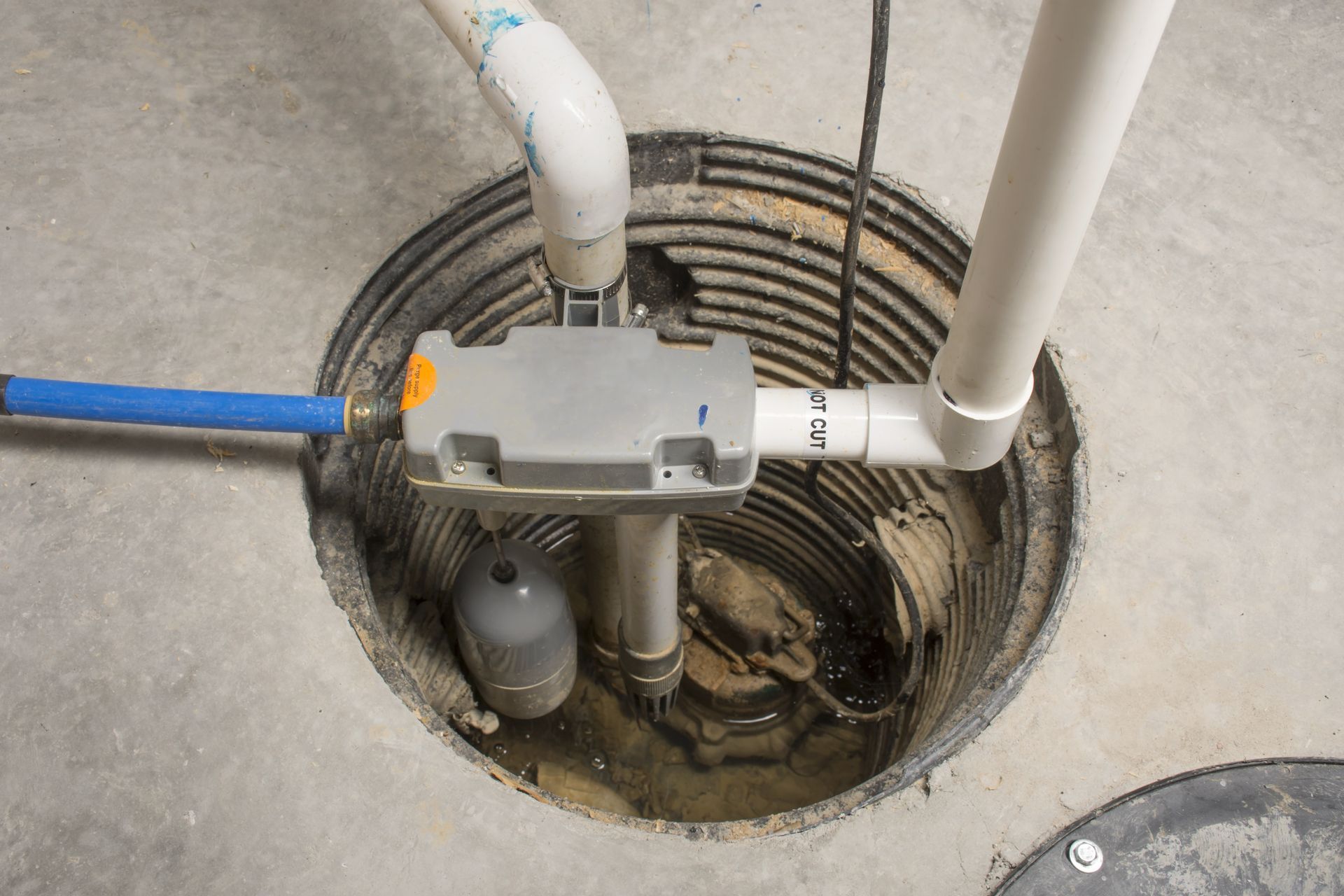
Nelson Plumbing Inc. installs sump pump systems that protect basements and crawl spaces from water intrusion in Rochester. If your home sits in a low-lying area, has a high water table, or experiences seasonal flooding after heavy rain or snowmelt, a sump pump collects groundwater before it saturates your foundation or damages stored belongings. The system uses a basin, a submersible or pedestal pump, and a discharge line that moves water away from the structure.
A sump basin is installed at the lowest point of your basement or crawl space. Water enters through perforated tile or naturally drains toward the pit. When the water level reaches a set point, a float switch activates the pump, which pushes water out through PVC piping to a safe discharge point—typically a yard drain, drainage swale, or municipal storm line. The system runs automatically and resets once the basin is emptied.
If you've noticed damp floors, musty odors, or standing water after storms, contact Nelson Plumbing Inc. to evaluate your drainage conditions and discuss pump options.
Systems Sized for Real-World Demand
You'll need a pump rated for your basement size and the volume of water your property handles during peak conditions. A standard residential system uses a 1/3 or 1/2 horsepower pump with a vertical float switch. The basin is typically 18 to 24 inches deep, with a gravel base to filter sediment. Discharge lines are sloped away from the foundation and fitted with a check valve to prevent backflow when the pump cycles off.
After installation, you'll notice that water no longer pools on your basement floor during rainstorms. The air smells dry, and belongings stored near the foundation stay free from moisture damage. Nelson Plumbing Inc. tests the float mechanism and confirms that the discharge line drains properly before the system is considered operational.
The installation includes the pump, basin, float assembly, check valve, and discharge piping to the exterior. It does not include backup power systems, battery backups, or exterior grading work. If your home experiences frequent power outages during storms, a battery backup or water-powered backup pump can be added as a separate component.
Common Questions About Sump Pump Systems
Homeowners in Rochester often want to know how the system operates, what maintenance is required, and how to handle power loss during heavy weather.
What triggers the sump pump to turn on?
A float switch inside the basin rises with the water level. When it reaches a preset height, the switch closes an electrical circuit and the pump activates. Once the water is pumped out, the float drops and the pump shuts off.
How often should the pump be tested?
You should test your sump pump every few months by pouring water into the basin until the float rises and the pump starts. This confirms that the motor, float, and discharge line are all working correctly.
Why does water sometimes back up even with a working pump?
Backups usually happen when the discharge line freezes in winter, becomes clogged with debris, or is installed without a check valve. In Rochester, discharge lines should be buried below frost depth or insulated to prevent ice blockage.
When is a backup sump pump necessary?
A backup pump is useful if you rely on the system during storms that also cause power outages. Battery-powered backups provide several hours of protection, while water-powered models use municipal water pressure to move groundwater without electricity.
How long does a sump pump typically last?
Most pumps last seven to ten years with regular use. Lifespan depends on how often the system cycles, sediment levels in the basin, and whether the pump runs dry or overheats due to clogged intake screens.
Nelson Plumbing Inc. helps property owners throughout Rochester choose and install systems that match their drainage conditions and flood risk. Reach out at (574) 835-2540 to schedule an evaluation and discuss pump sizing, discharge routing, and backup options.