Precision Digging Without Damaging Buried Infrastructure
Hydrovac Excavation Services in Rochester for exposing utilities, potholing around gas lines, and working near sensitive underground systems
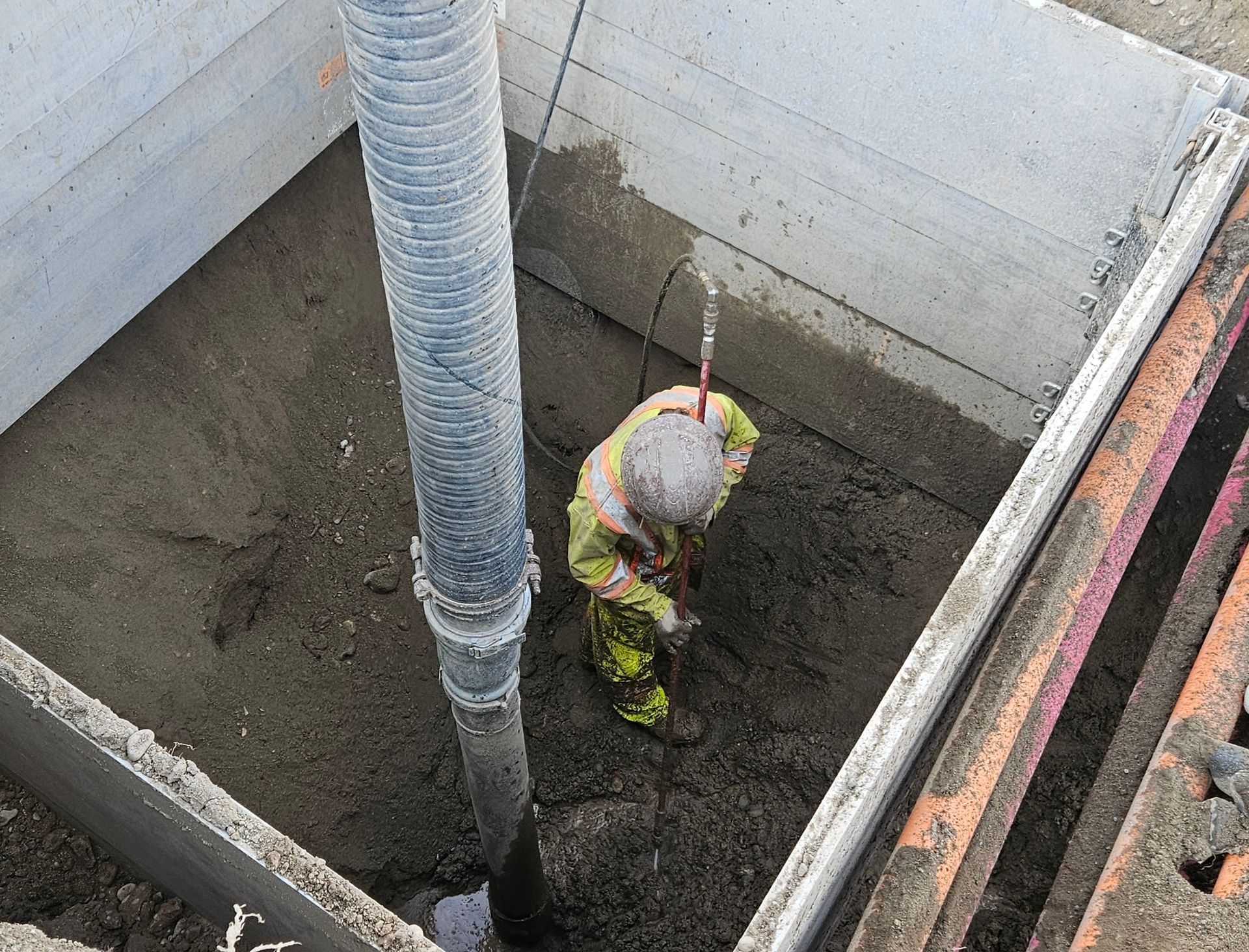
Nelson Plumbing offers hydrovac excavation services to homeowners, businesses, and municipalities in Rochester, Indiana who need soil removed without risking damage to buried lines. You call when a sewer repair requires exposing a pipe that runs parallel to a gas main, when a utility locate shows congested infrastructure and hand digging is too slow, or when a contractor needs a pothole dug to verify depth and position before a larger project begins. The hydrovac truck uses pressurized water to break up soil and a vacuum system to extract the slurry, leaving pipes, cables, and roots intact.
This method is faster and safer than manual excavation in areas where traditional machinery would create unacceptable risk. Rochester has older neighborhoods where utility corridors contain decades of overlapping installations, and one broken line can shut down service for an entire block. Hydrovac work removes soil in controlled increments, exposing infrastructure without the percussion or blade contact that leads to cuts, cracks, or punctures. The process is cleaner than conventional digging, and the spoil is contained in the truck's tank rather than spread across the site.
If your project involves tight quarters, unmarked utilities, or a need to confirm pipe location before excavation, reach out to discuss whether hydrovac services fit the scope in Rochester.
How Hydrovac Excavation Works on Site
You begin with a site review that identifies the target area, confirms utility locates, and determines access for the hydrovac truck and hose. The operator positions the vacuum wand over the excavation zone and uses a high-pressure water stream to liquefy the soil. The vacuum pulls the slurry into a debris tank, leaving a clean hole that exposes pipes, cables, or other buried objects without shifting or damaging them. For deeper excavations, the wand is adjusted to follow the trench profile, and the operator monitors progress to avoid undermining adjacent structures.
After the excavation is complete, you see exposed utilities clearly visible and ready for inspection, repair, or connection work. The soil removed from the site is either returned as backfill once it dries, disposed of according to local regulations, or replaced with clean fill if contamination or saturation makes reuse impractical. Nelson Plumbing coordinates spoil handling based on project requirements and municipal guidelines. What you notice after hydrovac work is a precise hole with no collateral disturbance to landscaping, pavement, or nearby infrastructure.
Hydrovac excavation does not include pipe repair, utility relocation, or structural shoring. It is a digging method, not a full-service excavation package. If bedrock or frozen ground is encountered, progress slows significantly, and alternative methods may be required. The service is best suited for targeted excavation rather than large-volume earthmoving.
Common Questions About Hydrovac Excavation
Clients in Rochester often ask about access requirements, soil handling, and how hydrovac compares to traditional digging before committing to the service.
What makes hydrovac safer than mechanical excavation?
The water and vacuum system cannot crush or cut buried lines, so the risk of utility strikes drops significantly compared to backhoes or trenchers working in congested areas.
How close can hydrovac work to existing structures?
The wand can dig within inches of foundations, retaining walls, or pavement edges without causing vibration or displacement, making it suitable for confined or sensitive locations.
When is hydrovac excavation the right choice?
You use it for potholing, daylighting utilities, accessing lines in tight corridors, or any situation where mechanical digging poses too much risk to surrounding infrastructure.
Why does soil type affect hydrovac performance in Rochester?
Clay-heavy soils require more water and time to break apart, while sandy soils move quickly but may collapse inward if the hole is deep and unsupported.
How is the excavated material handled?
The slurry is held in the truck's tank and either returned to the site as backfill, hauled to a disposal site, or processed according to local waste regulations if contamination is present.
Nelson Plumbing uses hydrovac excavation for residential, commercial, and municipal projects throughout Rochester, working with plumbers, electricians, and site contractors when precision digging is required. If your project involves exposing utilities or working in sensitive areas, contact the team to review site conditions and schedule the service.